
Quiet Waters
Conservation, Education And The Outdoors
Quiet Waters aims to conserve indigenous fauna and flora and to further the educational pursuits of the College and to serve as a base for conservation education in other schools.
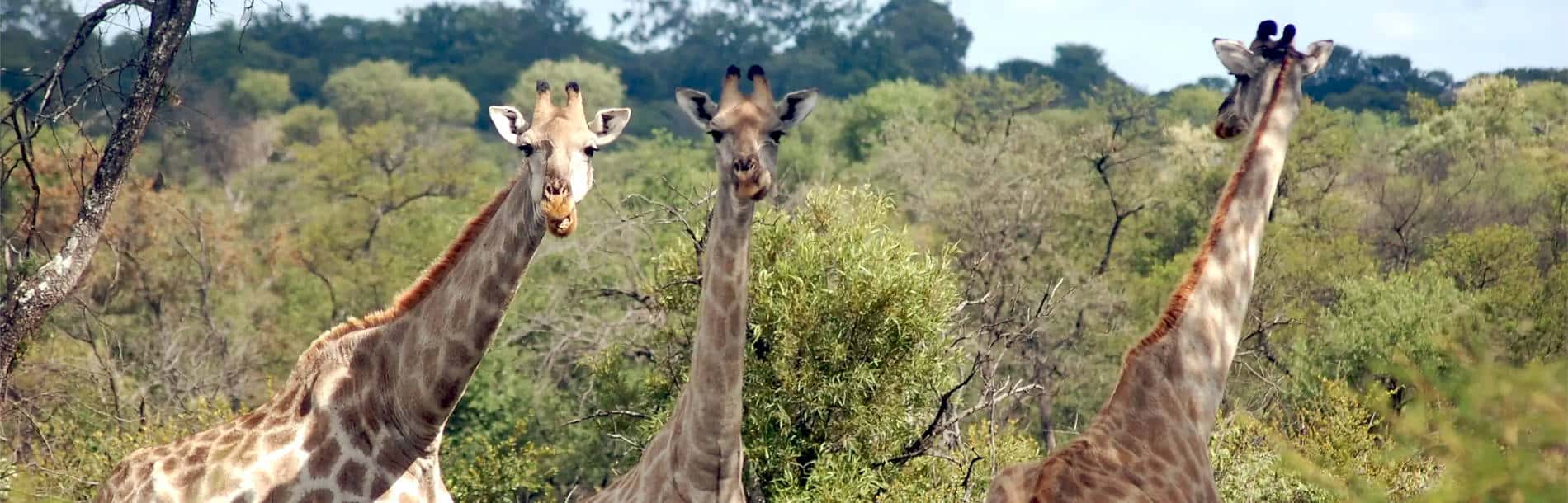
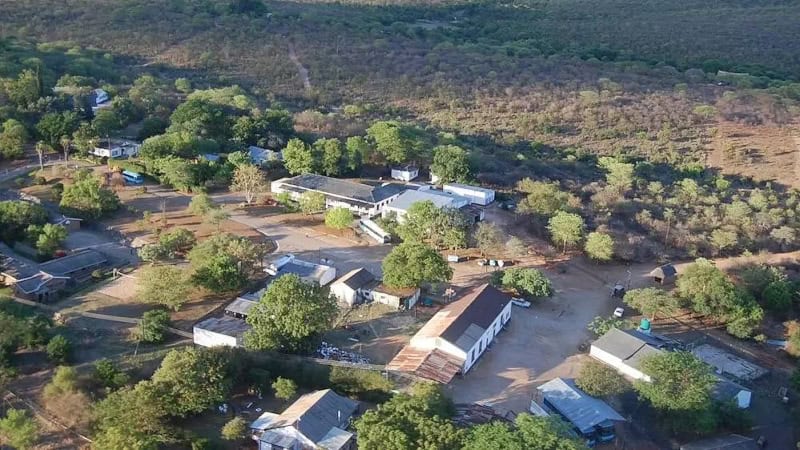
Just beyond the everyday rhythm of Falcon College lies one of the School's most valuable and unique assets, Quiet Waters.
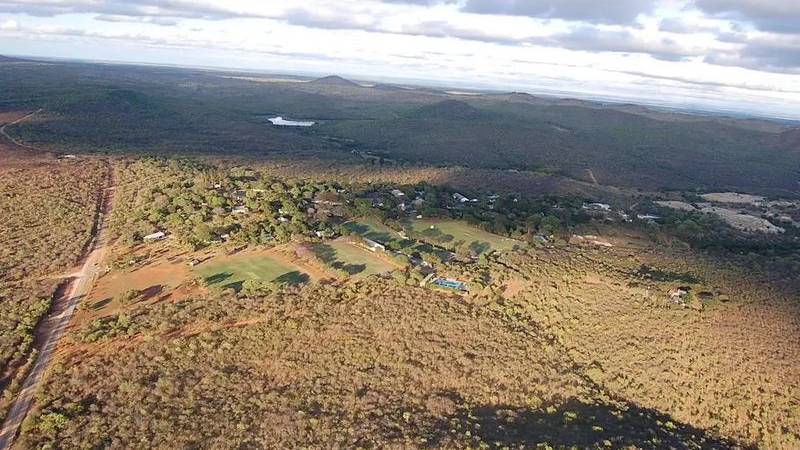
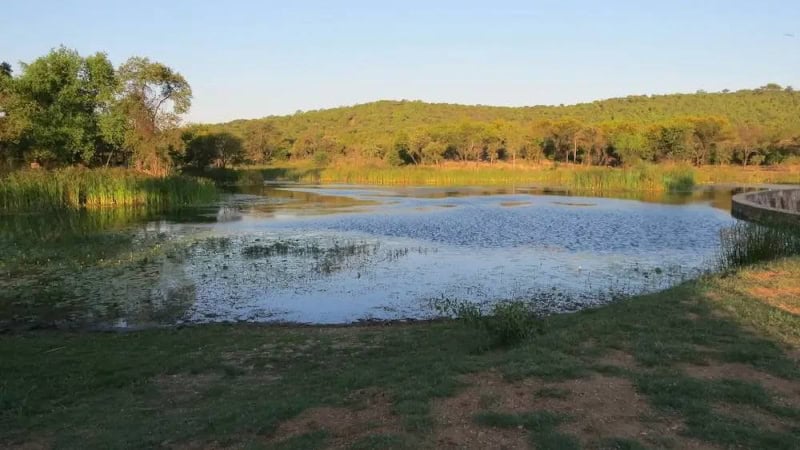
Set within an extensive area of indigenous bushveld, granite hills, open grassland and seasonal waterways, Quiet Waters is a place where conservation, education and recreation come together. It is a place to slow down, explore, learn and reconnect with the natural world.
At its heart, Quiet Waters is Falcon College's outdoor classroom.
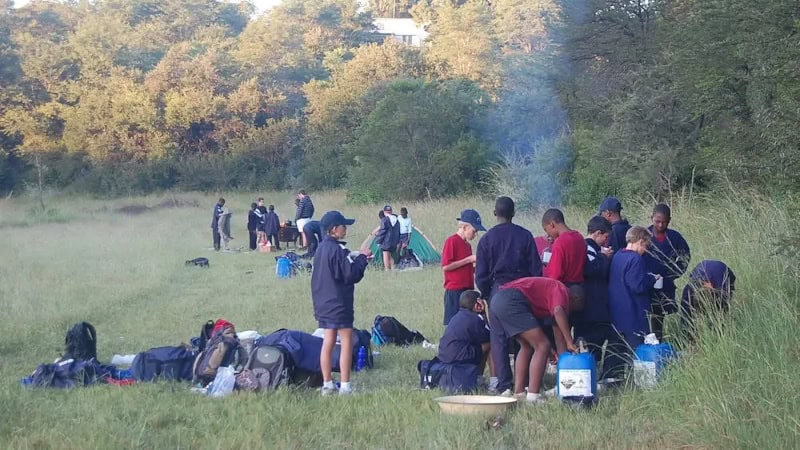
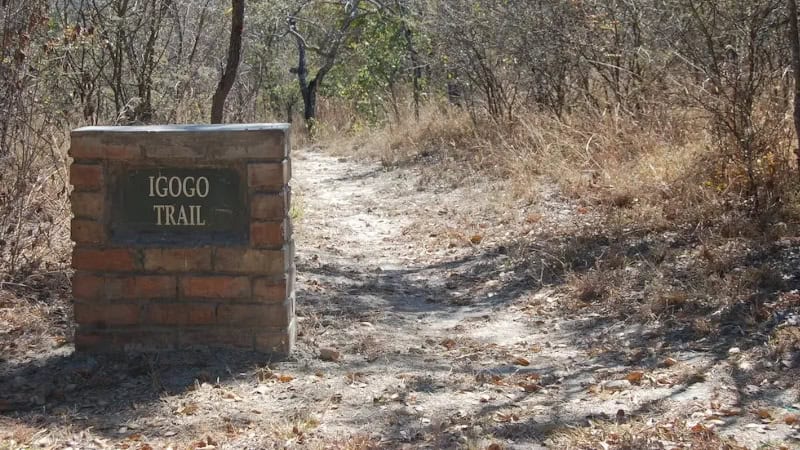
For generations, Falcon students have walked its roads and trails, camped beneath its trees, fished its dams and weirs, studied its wildlife and learnt lessons that cannot always be taught from behind a desk. Today, Quiet Waters continues to play an increasingly important role in the College's commitment to outdoor education, leadership development, conservation and experiential learning.
In a world where young people are spending more time indoors and in front of screens, Quiet Waters provides something increasingly rare, space.
-
- Space to explore
- Space to think
- Space to learn
- Space to challenge yourself
- And, perhaps most importantly, space to simply be outdoors.

Conservation For The Future
Quiet Waters was founded on a vision of conserving Zimbabwe's indigenous fauna and flora while creating opportunities for education.
That vision remains as relevant today as it was when the founding committee first met on 24 October 1985.
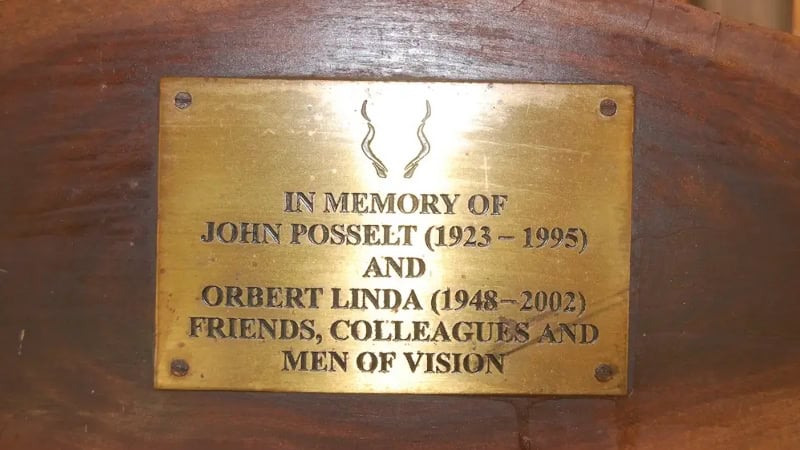
Under the guidance and determination of Gordon Macdonald, together with an extraordinary group of Falcon parents, Old Boys, staff and friends of the College, work began on the roads and boundary fencing in 1986. Quiet Waters was formally opened in 1988.
The development of the conservation area would not have been possible without the generosity, expertise and hard work of countless members of the Falcon community.
Their legacy is the remarkable natural asset that Falcon College enjoys today.
Our responsibility is to protect it, improve it and ensure that future generations of Falcon students have the same opportunity to experience and learn from the natural world.
Quiet Waters continues to evolve.
Ongoing work includes habitat management, invasive plant control, fence rehabilitation, water management, wildlife monitoring and the continued development of educational and conservation programmes.
Students are increasingly being encouraged to participate in this work and to understand that conservation is not simply about protecting wildlife. It is about understanding habitats, managing resources responsibly and accepting our responsibility as custodians of the land.
An Outdoor Classroom
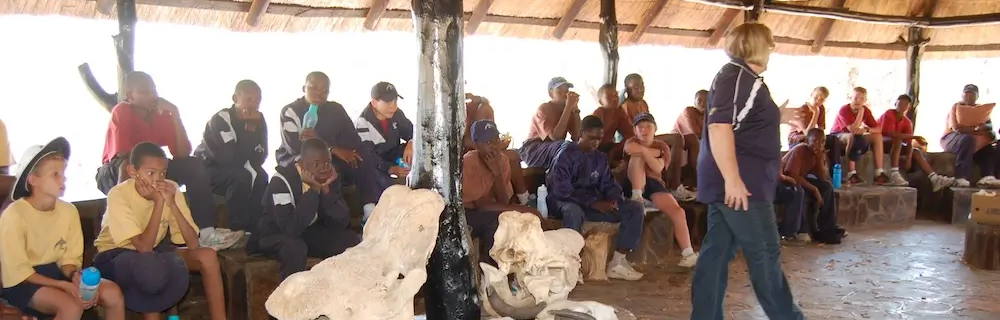
Quiet Waters provides Falcon College students with direct access to a living, working conservation area.
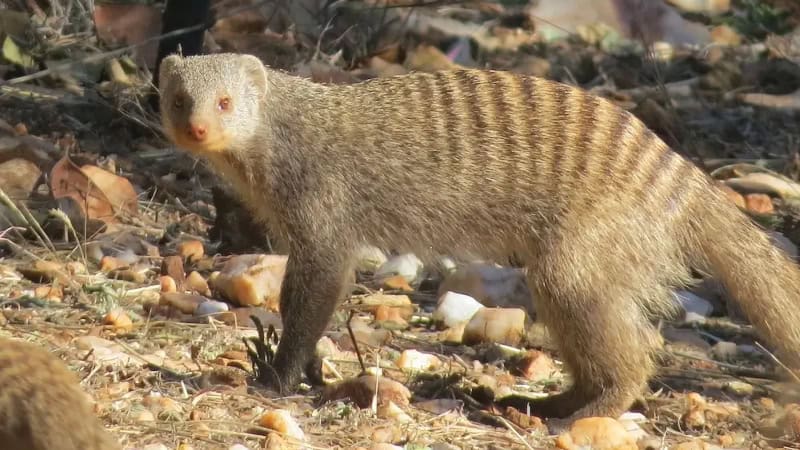
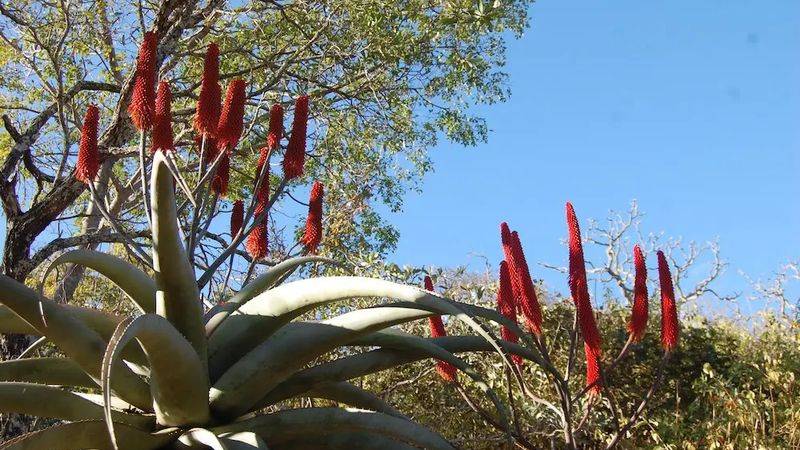
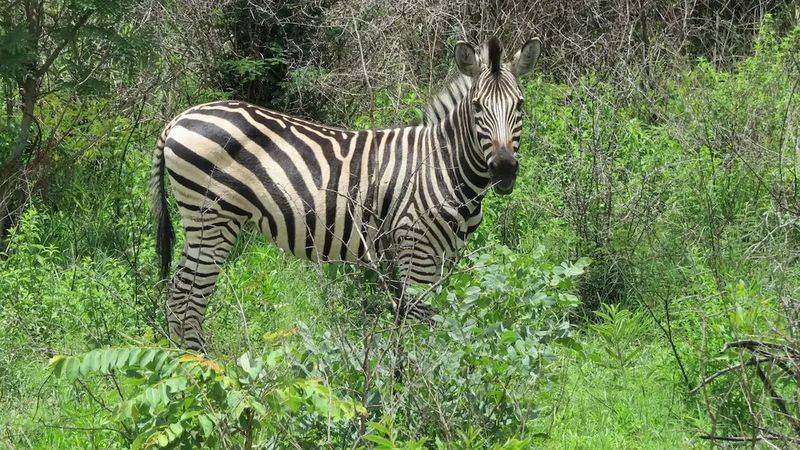
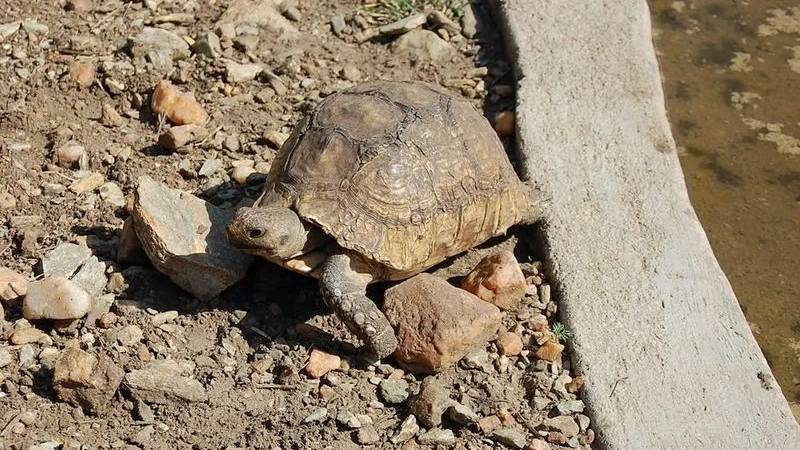
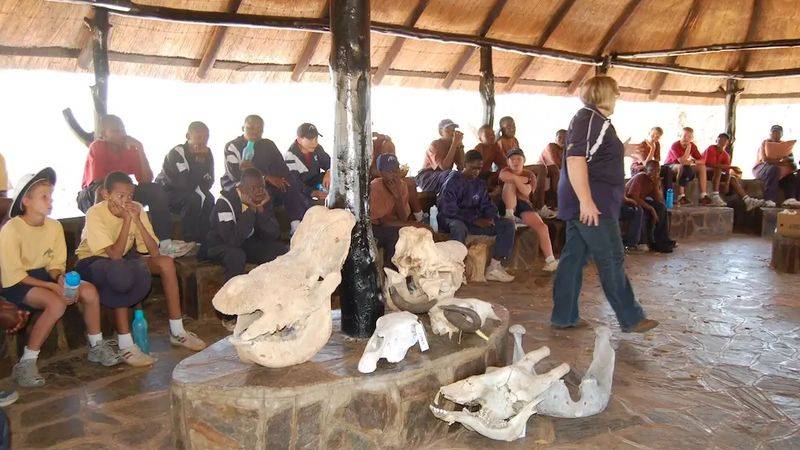
The diverse habitats found within the property create opportunities for students to learn about wildlife, birds, reptiles, indigenous plants, habitats and ecosystems.
Conservation management activities also provide practical exposure to subjects such as invasive plant control, veld and habitat management, water conservation, wildlife monitoring and responsible land stewardship.
Through Falcon College's developing outdoor education programmes, students are increasingly encouraged to become active participants in the management and understanding of the natural environment.
The lessons learnt at Quiet Waters extend far beyond conservation.
Leadership, teamwork, resilience, responsibility and practical problem-solving are all developed when young people are given the opportunity to step outside their normal environment and experience the outdoors.
Quiet Waters is also becoming an important base for conservation education and outdoor learning for visiting schools and groups. Our aim is to encourage more young people to experience Zimbabwe's natural environment and to develop a genuine understanding of the responsibility we all share in protecting it for future generations.
A Place To Escape
Quiet Waters is not only an educational and conservation area. It is also a place to rest, explore and spend time with family and friends.
Parents, staff, Falconians and friends of the College are encouraged to make use of this remarkable environment.
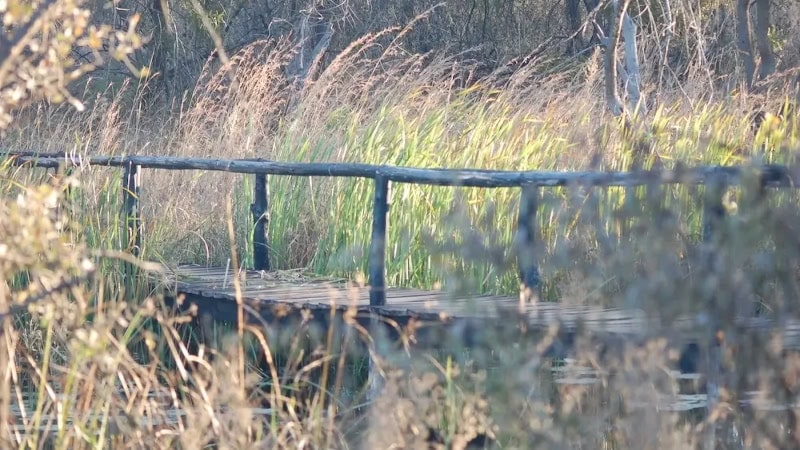
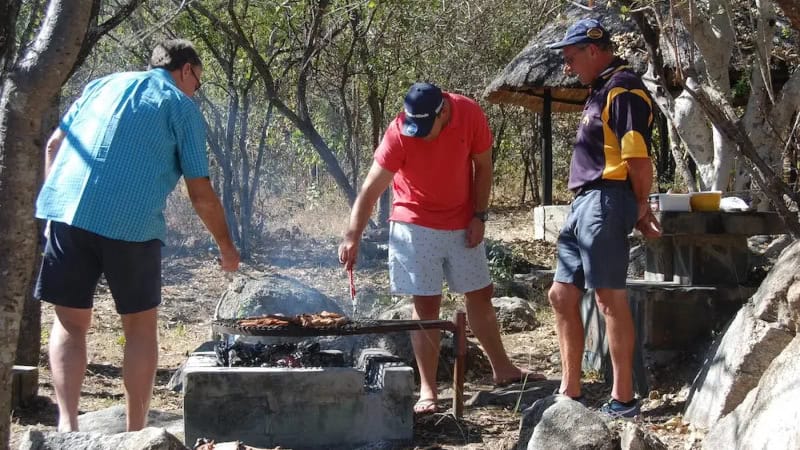
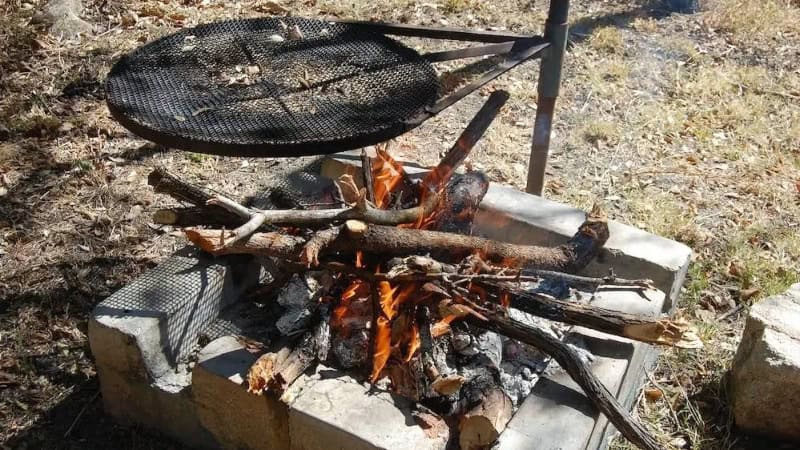
A day at Quiet Waters can be as simple as finding a quiet picnic site, lighting a braai and enjoying the bush. Visitors may spend time walking, birdwatching, fishing or simply sitting beside one of the dams and enjoying the peace and tranquillity of the area.
For Falcon students, Quiet Waters has long provided a welcome escape from the busy routine of school life. Weekend visits, fishing trips, camping and outdoor activities allow students to relax and enjoy the extraordinary natural environment available to them on their doorstep.
We strongly encourage parents to share these experiences with their children.
Sometimes the most memorable conversations do not happen around a dining-room table. They happen beside a fire, on a walk through the bush or while waiting patiently for a fish to bite.
Quiet Waters provides the setting for those moments.





Pumula Camp, A Place Of Rest
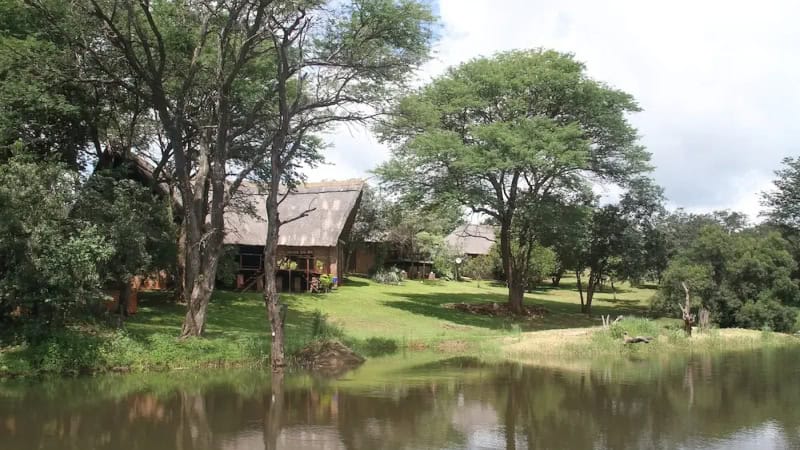
For those wishing to stay overnight, Pumula Camp offers simple and comfortable bush accommodation in a wonderfully peaceful setting.
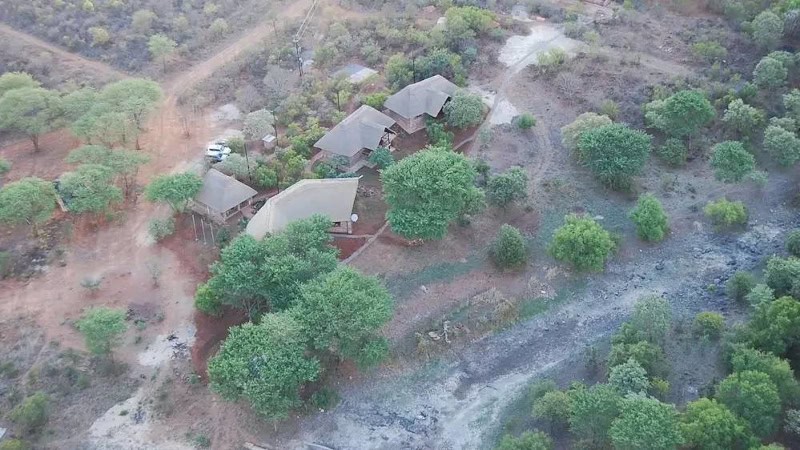
The camp consists of six rustic A-frame chalets, each sleeping up to four people. Three chalets have en-suite bathroom facilities, while the remaining three have their own nearby ablution facilities.
Pumula is deliberately simple.
There is no mainline electricity. Solar lighting provides basic illumination and hot water is supplied using traditional wood-fired donkey boilers. The camp is designed to allow visitors to enjoy the bush without unnecessary distractions.
Each chalet is equipped with beds and basic facilities for a comfortable bush stay. Visitors need only bring their food, drinks and personal requirements.
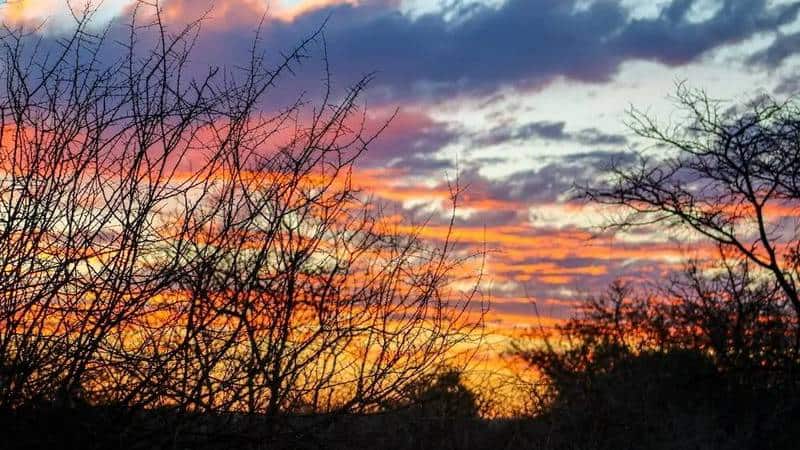
Evenings at Pumula are best spent around the braai or campfire, listening to the sounds of the bush and enjoying the night sky.
The name Pumula means "a place of rest", and that is exactly what the camp offers.



Picnic Sites and Day Visits
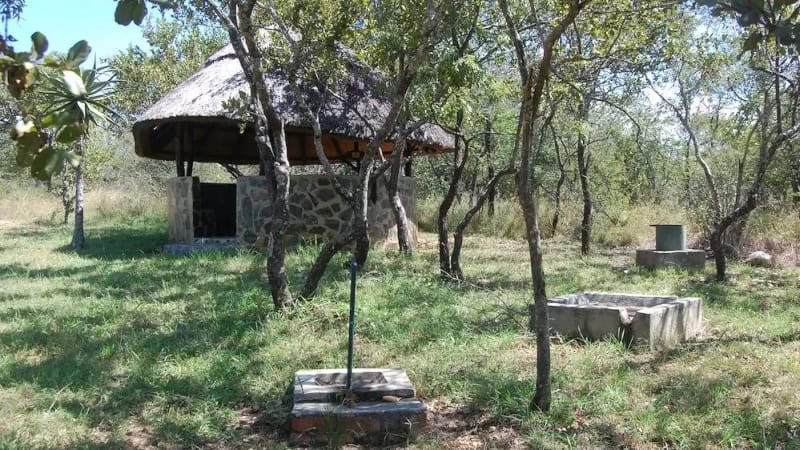
Quiet Waters has a number of established picnic sites situated throughout the conservation area.
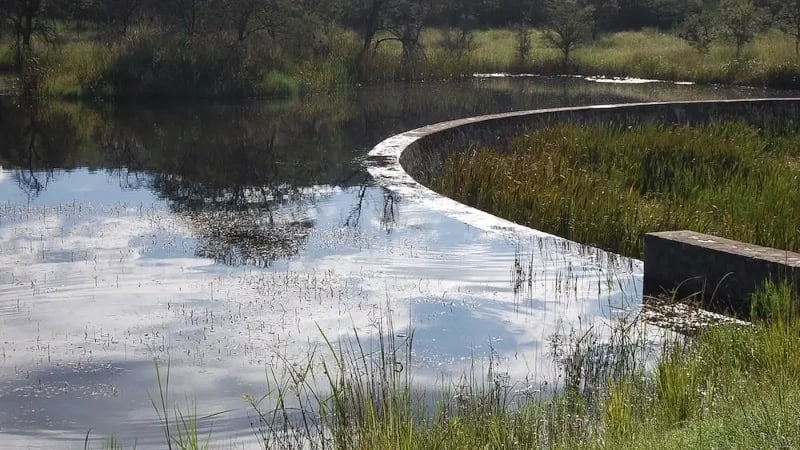
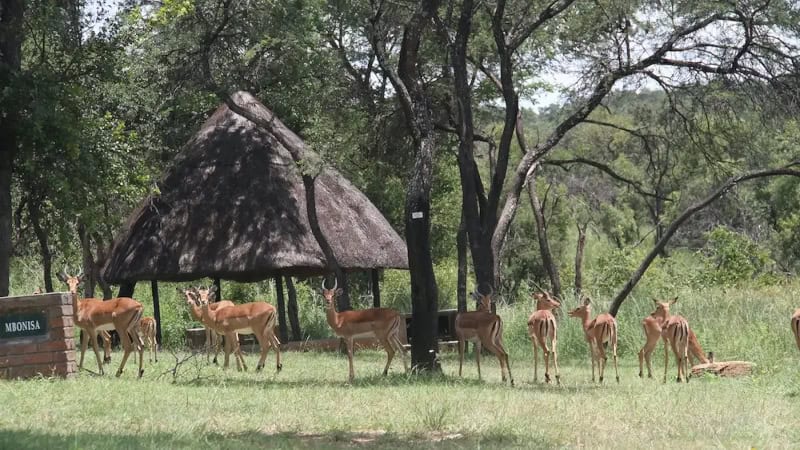
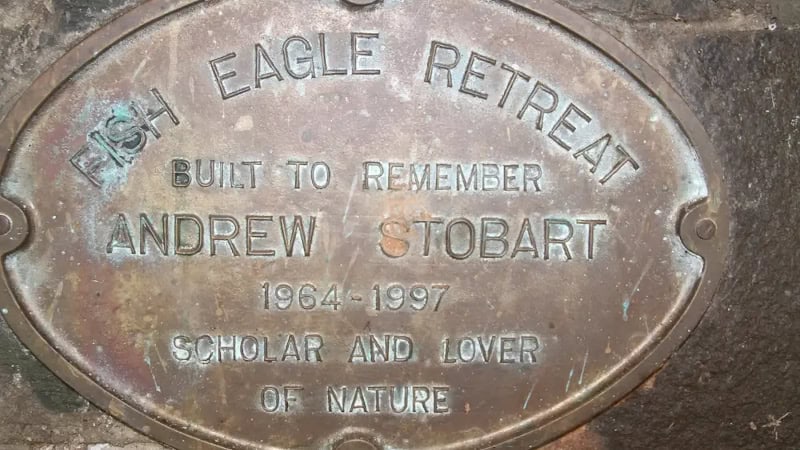
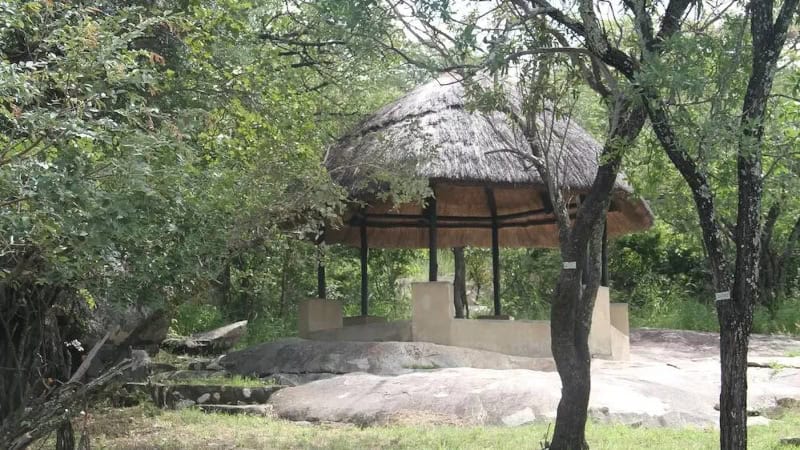
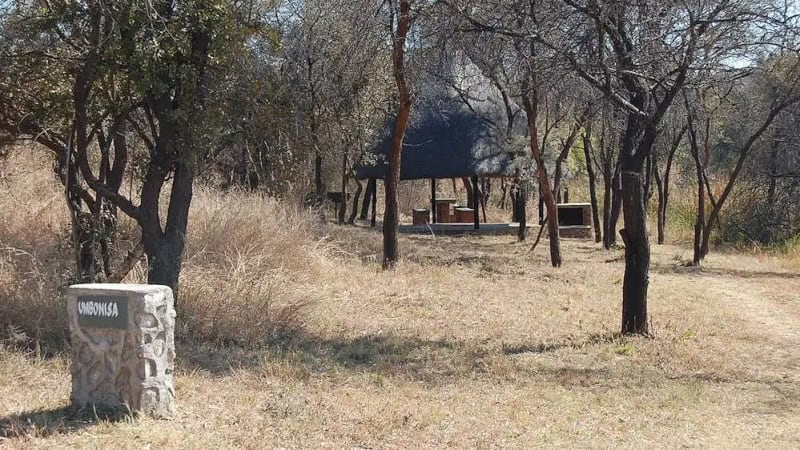
These include Mbonisa Weir, Fish Eagle Retreat and the Old Boys' Study Centre, together with additional sites situated beneath Usandisa.
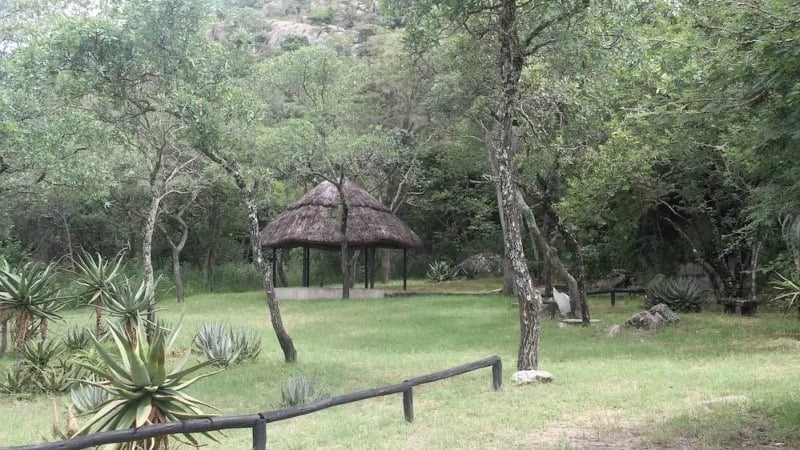
Set in beautiful natural surroundings, the picnic areas provide simple facilities including shelters, braai areas and toilet facilities.
Firewood is provided at designated braai sites.
Whether visiting for a family picnic, a day beside the water or a quiet afternoon in the bush, these sites provide an opportunity to experience Quiet Waters at your own pace.
Come And Experience Quiet Waters
Quiet Waters belongs to the wider Falcon community and we encourage parents, staff, families, Falconians and friends of the College to experience it.
-
- Bring your children
- Spend a day in the bush
- Book a weekend at Pumula
- Go for a walk
- Take a fishing rod
- Sit beside a dam
- Light a braai
- Put the phones away for a while and enjoy being outdoors
For our young people in particular, time spent in nature is not wasted time. It is an opportunity to explore, to learn, to build confidence and to develop an appreciation for the extraordinary natural heritage that surrounds us.
Quiet Waters is more than a conservation area.
It is a classroom without walls, a place of adventure, a place of learning and, true to its name, a place to find a little quiet.
We invite you to come and experience it.





Some useful and interesting facts about
Quiet Waters Conservation Scheme:
